OP-1600
SKU OKT-OP1600 · From $980
Sixteen PoE++ ports, a 740W budget, and the headroom to spend it honestly.
- 740W PoE budget over sixteen 802.3bt Type 4 ports — 90 W per port, Class 8 capable.
- 2.5GbE access matches Wi-Fi 7 APs and multi-gig cameras without a copper bottleneck.
- Per-port power priority and scheduling keep critical PDs up when the budget is tight.
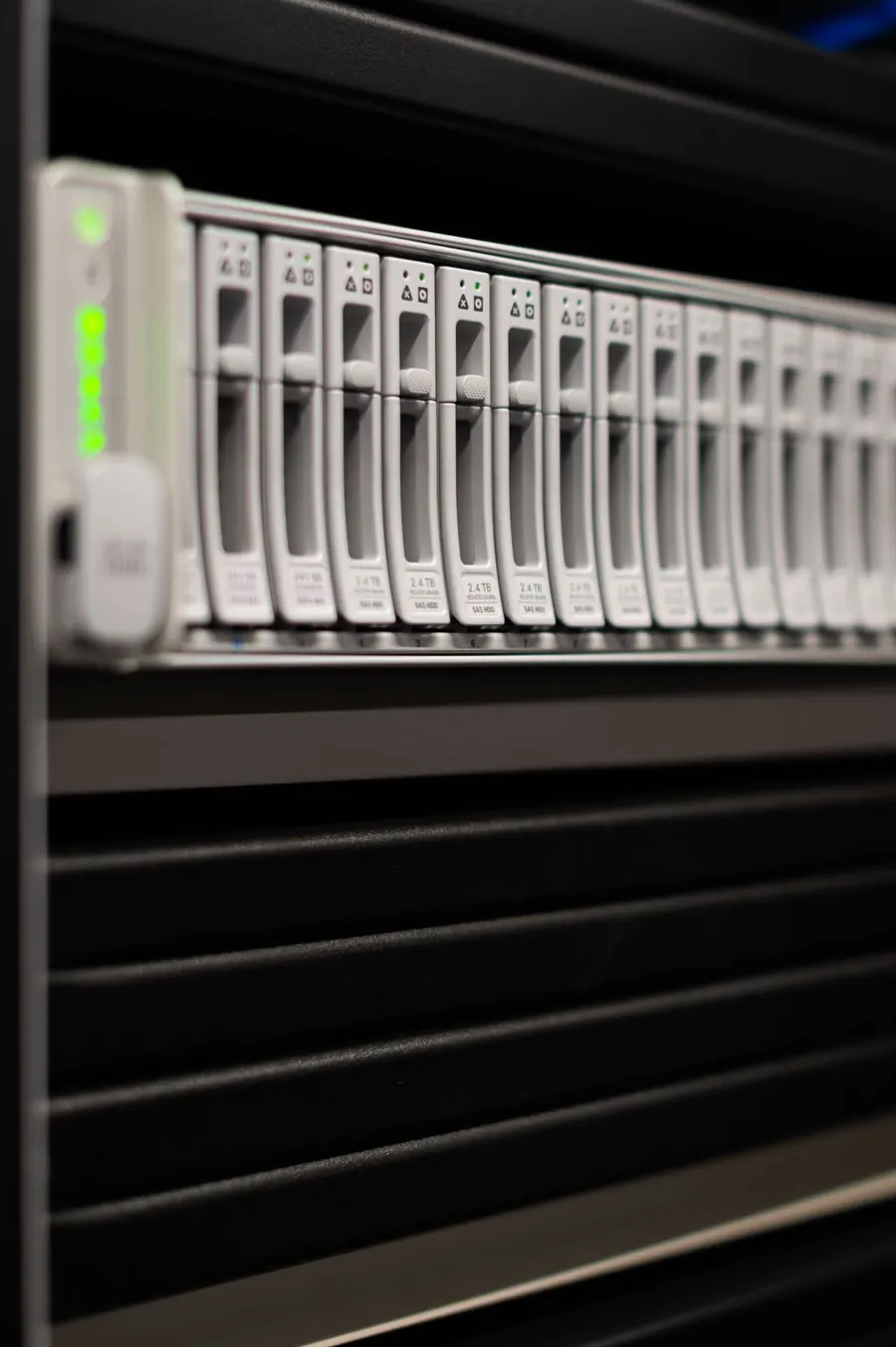
Ports
16× RJ45 2.5GbE PoE++ · 2× SFP+ uplink
PoE budget
740 W total (IEEE 802.3bt Type 4)
Per-port
Up to 90 W (Class 8)
Management
L2+ · CLI · REST · SNMP
Every number, published.
Interfaces
| Access ports | 16× RJ45 100M/1G/2.5G, 802.3bt |
|---|---|
| Uplink ports | 2× SFP+ (10GbE / 1GbE) |
| Console | 1× RJ45 RS-232, 1× USB-C |
| MAC address table | 32,000 entries |
| Jumbo frames | 9,216 bytes |
PoE
| Standard | IEEE 802.3af / at / bt (Type 1–4) |
|---|---|
| Total budget | 740 W |
| Max per port | 90 W (Class 8, 4-pair) |
| Power management | Per-port priority, scheduled, auto-recovery |
| PoE ports | All 16 simultaneously to 46 W average |
Power & Environment
| Power supply | 1× 920W internal (740W to PoE) |
|---|---|
| Typical draw | System 38 W + connected PD load |
| Cooling | Dual fixed fans, temperature-regulated |
| Operating temperature | -5 °C to 50 °C |
| MTBF | 256,000 hours (25 °C) |
| Form factor | 1U, 440 × 250 × 44 mm |
The front panel, to the octet.
Each interface is octet-numbered and colour-keyed by media. Hover a cell for its role.
- Copper / RJ45
- Fiber / SFP
- Console
Photographed as hardware.

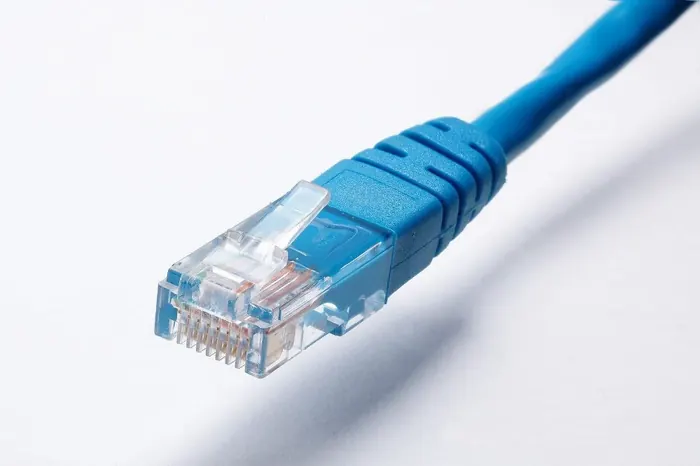

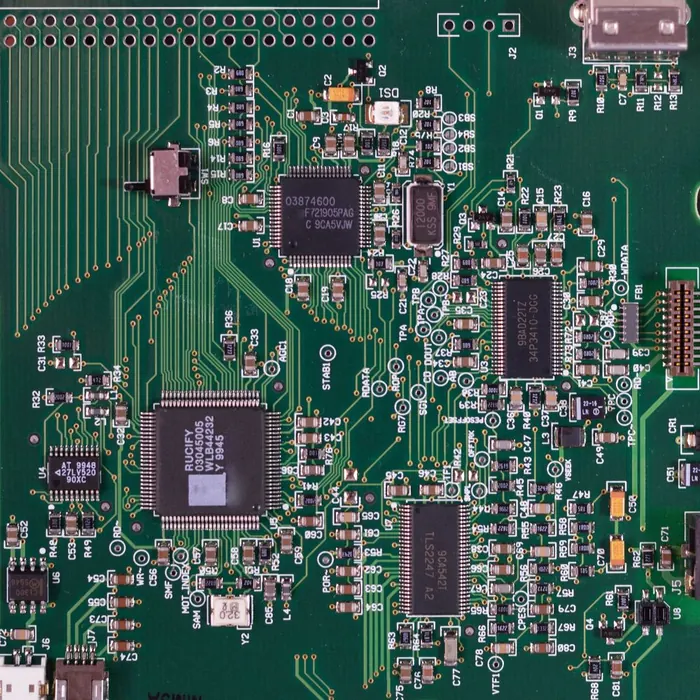
The OP-1600 is an access-layer PoE switch built around an honest power budget. The figure that matters is 740 W delivered to the PoE subsystem, and we size the internal supply at 920 W so that number is real under sustained load rather than a momentary peak. All sixteen ports support IEEE 802.3bt up to Type 4 and Class 8 — 90 W at the port — which is what a tilt-zoom camera with a heater, or a high-density Wi-Fi 7 access point, actually pulls. You can run all sixteen ports simultaneously at a 46 W average; budget management lets you bias that distribution.
The copper is 2.5GbE, not 1GbE, because the devices this switch powers have outgrown gigabit. A Wi-Fi 7 AP can saturate a gigabit link on a single radio; a multi-gig camera sensor does the same. Matching the access speed to the powered device is the point — there is no reason to deliver 90 W to a port that throttles the traffic to 1G. Two SFP+ uplinks carry the aggregate back to the OS-2400 or OS-4800 over fiber.
Power management is per-port: priority classes, scheduled power windows, and auto-recovery for PDs that hang. When the load approaches the 740 W ceiling, the lowest-priority ports shed first, so a door controller or an emergency phone stays up while a non-critical sign goes dark. Operating range is -5 °C to 50 °C for ceiling-plenum and outdoor-cabinet installs.
What’s in the box: OP-1600 chassis, one C13 power cord (region-specific), RJ45-to-DB9 console adapter, OC-RACKKIT-compatible mounting ears, and a grounding lug. SFP+ optics or DAC for the uplinks are ordered separately via OF-SFP10. The default configuration ships with PoE enabled and LLDP power negotiation on — verify per-port budgets against your PD inventory before energizing a full closet.
Spec it against the rest of the line.
Drop the OP-1600 into the Network Builder, or browse the full catalog.
OKT-OP1600 · OKTET — INFRASTRUCTURE, TO SPEC.