THE STORY OF THE GT

We started in the dark.

Four chapters on why a grand tourer, why electric, and why one engineered for the empty road at 2 a.m. Scroll to begin the sequence.

Engineered for the dark
01 / ORIGIN

01 / ORIGIN

Engineered for the dark

Why a grand tourer, and why one built for the hours after midnight.

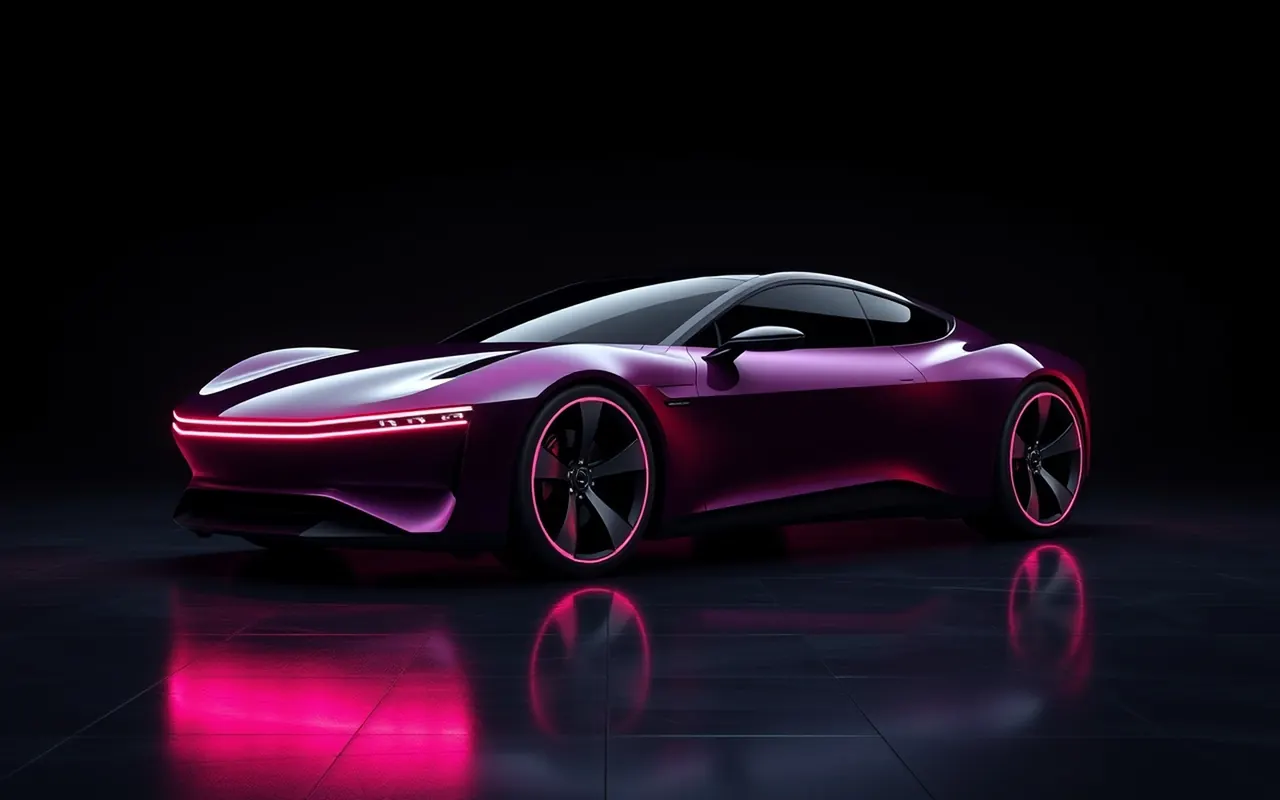
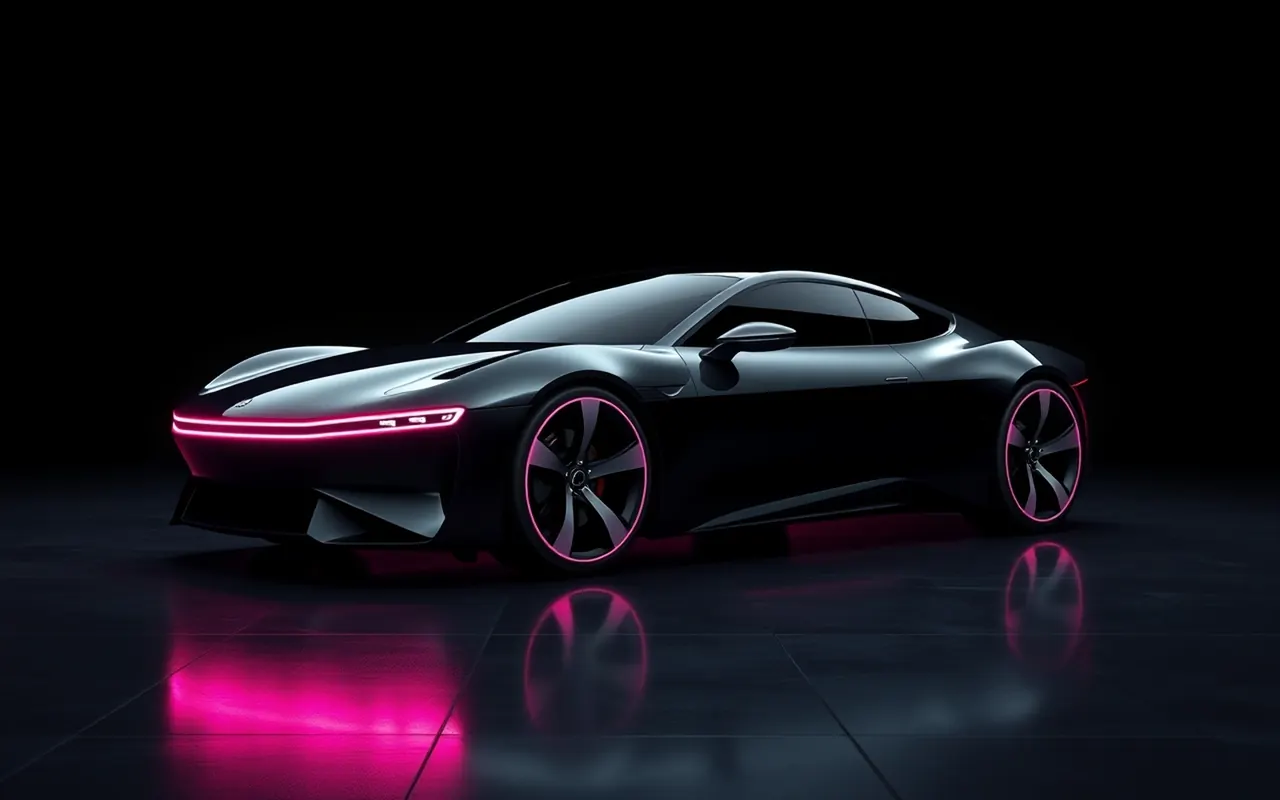
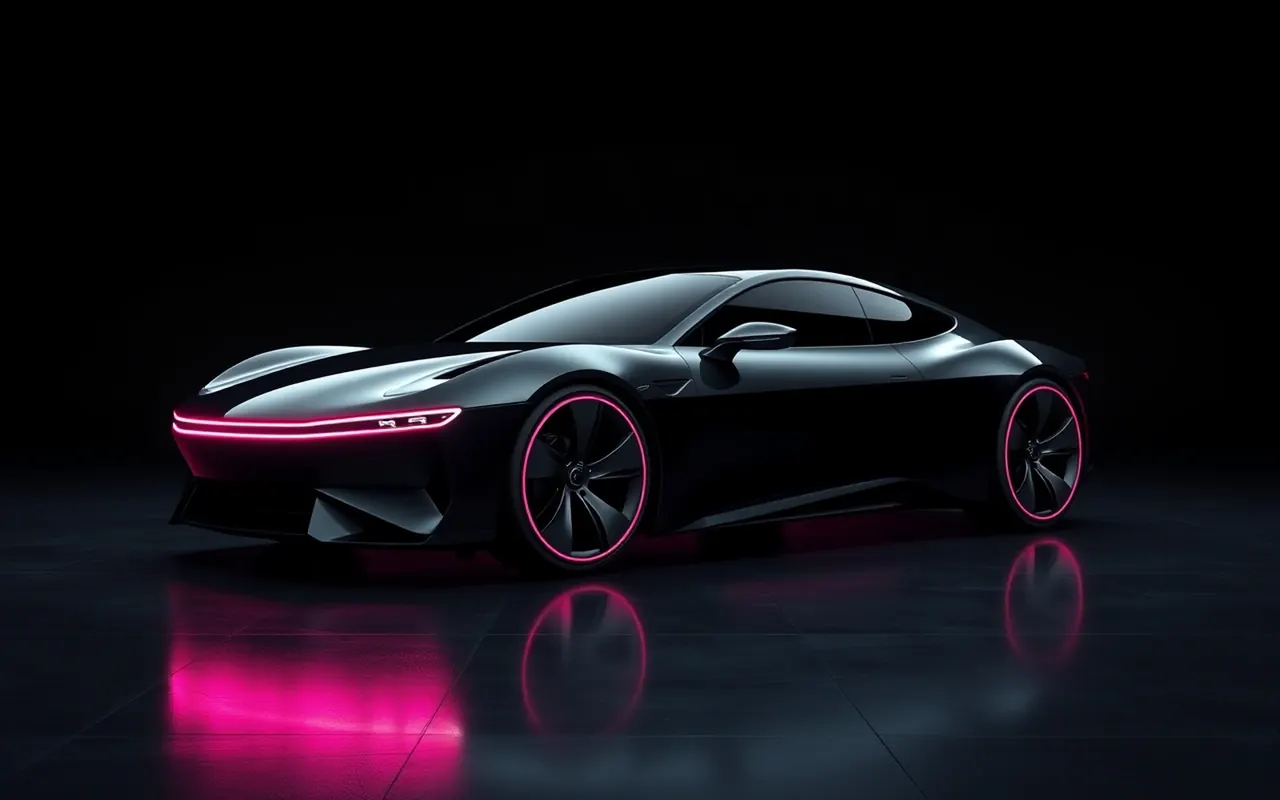
Most electric cars are designed for the commute. We started somewhere else — with the drive that has no reason except itself. The one you take at 2 a.m. because the city has finally gone quiet and the road belongs to you. That is the car we wanted to build. Not a track weapon, not an appliance with a screen. A grand tourer for the dark.

The grand touring idea is old and exact: a car that crosses distance in comfort, at speed, without asking anything of the driver but attention. Bentley understood it. Aston understood it. The problem is that the format was always married to a combustion engine — to heat, noise, and the long warm-up of mechanical things. Electric power dissolves all of that. Instant torque from a standstill. Silence that lets you hear the road surface change under the tyres. A low floor of batteries that drops the centre of gravity below anything a fuel car could reach. The grand tourer was waiting for this drivetrain. It just didn’t know it yet.

So VANTA began as a refusal. We refused the bright, friendly, slightly anxious language that most EVs speak — the chirpy startup chimes, the cartoon range anxiety, the dashboards that look like phones. None of that belongs at night. At night you want instruments that stay dark until you need them, a cabin that disappears around you, and a body you feel more than see. We designed for the streetlamp, not the showroom.

The name came from the absence of reflection. Vantablack — the engineered material that absorbs almost all visible light — was never about being sinister. It was about removing distraction until only the essential shape remains. That became the brief for the whole car. Strip the noise. Keep the line. Let the GT be the quietest, most complete version of itself, and let everything it does happen without theatre.

What we kept from the classic grand tourers is the contract with the driver. This is a car you point at a horizon and trust. It will hold 200 km/h as comfortably as 60. It will cover 690 kilometres between charges and replenish faster than you can finish a coffee. It will not interrupt you. The performance is real — 1,020 horsepower, all-wheel drive, a 412 km/h ceiling we only ever quote once — but performance was never the point of origin. The point was the feeling of the empty road, and a car worthy of it.

VANTA is that car. Built for distance. Built for silence. Engineered for the dark.
Shaped by the air it moves
02 / DESIGN

02 / DESIGN

Shaped by the air it moves

A 0.19 drag coefficient, and the single line that carries the whole car.

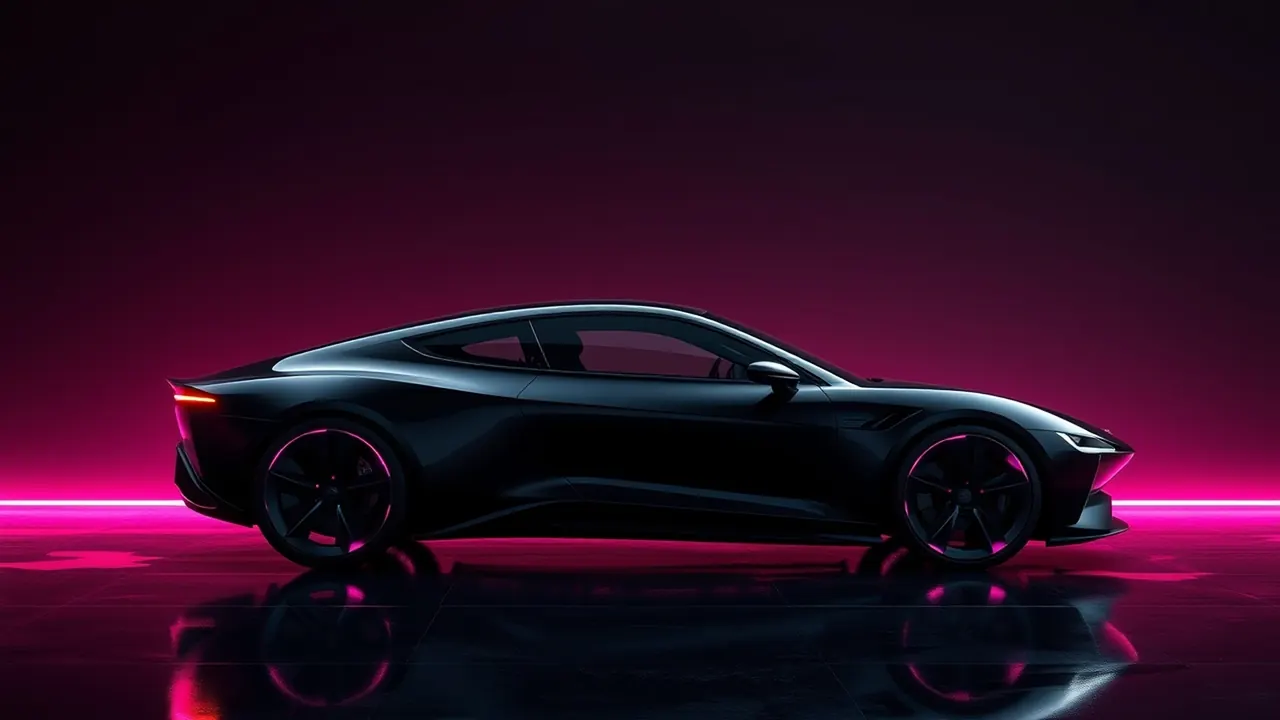
A drag coefficient of 0.19 is not a styling choice. It is a discipline that touches every surface of the car, and it is the reason the GT looks the way it does. At highway speed, more than half the energy a car spends goes into pushing air out of the way. Lower the drag and you do two things at once: you extend the range and you quiet the cabin. So before anything else, before a single character line was drawn, the body was shaped in the wind.

The result is a form with almost nothing on it. There is no grille, because there is no combustion engine to cool — the face is a closed, low mass that splits the air cleanly and sends it over a long, tapering roofline. The mirrors are slim cameras. The door handles sit flush and only present themselves when you approach. Underneath, a fully flat floor carries air to a rear diffuser that does the quiet work of keeping the car planted without the drama of a wing. Every wheel is a forged 22-inch turbine, the spokes angled to pull heat off the brakes while disturbing as little air as possible. Nothing is added for the look of it. The look is what’s left when nothing is wasted.

Then there is the line. Running the full length of the body, from the closed front mass back through the haunches to the tail, is a single continuous channel we call the charge-line. It is the one piece of deliberate drama on the car, and it earns its place: it is functional, guiding airflow along the flank, and it is the brand’s signature, the path the plasma light traces when the GT comes online. In daylight it reads as a crease in the bodywork. At night it lights — a thin seam of plasma that wakes when you do, runs the length of the car, and settles. The whole identity of VANTA lives in that one line.

Inside, the design act inverts. The exterior is built for the dark; the cabin is built to be calm. We brought studio light in — bone surfaces, pale ceramic, low contrast — so the interior reads as a genuine light room rather than another black box. Instruments stay dormant until needed, then surface only the information the drive requires. There is no wall of screens. There is the road, the wheel, and a horizon line of soft light across the dash that does most of the talking.

The discipline is the design. Hold the drag at 0.19, keep the body honest, carry everything on one line, and let the GT be the most complete shape we could make with nothing left over to remove.

Two motors, one nervous system
03 / POWERTRAIN

03 / POWERTRAIN

Two motors, one nervous system

1,020 horsepower, all-wheel drive, and torque placed wheel by wheel.

The GT carries two motors — one on each axle — and together they make 1,020 horsepower, or 760 kilowatts, sent to all four wheels. Those are large numbers, but the raw output is the least interesting thing about the drivetrain. What matters is how the power arrives, and how precisely it can be placed.

Electric torque is instant. There is no rev band to climb, no gear to find, no turbo to spool. From a standstill the GT delivers its full twisting force the moment you ask, which is why a car this heavy moves with the immediacy of something far smaller. But instant torque, undisciplined, is just wheelspin. The intelligence is in the distribution. The two motors are independently controlled, and the GT vectors torque across the axles hundreds of times a second — adding drive to the outer wheels through a corner to rotate the car into the apex, trimming it at the inner wheels to hold the line, balancing front to rear as grip changes under each tyre. The car is doing differential calculus on the road surface continuously, and you feel none of the maths. You only feel that it goes exactly where you point it.

Running underneath all of it is an 800-volt — nominally 900-volt — architecture. Higher voltage is the quiet hero of a modern performance EV. It lets the same power flow through thinner, lighter cabling with less heat, which means less energy wasted and more available for the road. It is also what makes the charging story possible, because the same high-voltage backbone that delivers performance is what accepts a fast charge without cooking the pack. Performance and replenishment share one system; you don’t trade one for the other.

The two motors also rewrite how the car behaves when you lift off. Regenerative braking turns the motors into generators, recovering energy back into the pack every time you slow, and the GT lets you tune how aggressive that feels — from a true one-pedal mode in the city to a long, free-rolling coast on the open road that suits the grand touring brief. Most of your stopping happens through the motors. The carbon-ceramic discs are there for the moments that demand them.

We quote the headline figures once and then put them away: 1,020 horsepower, all-wheel drive, a top speed we’ve governed and stated a single time. Numbers are easy to print. The work that matters is everything between them — the thousands of small decisions the car makes every second to turn that power into composure. Two motors, one nervous system, and a chassis that always seems to know more about the road than you do.

690 kilometres, then eighteen minutes
04 / CHARGING

04 / CHARGING

690 kilometres, then eighteen minutes

A 110 kWh pack, real WLTP range, and a coffee-length 10–80 percent.

A grand tourer is judged by the distance it can put behind it without ceremony. The GT carries a 110 kilowatt-hour battery and returns 690 kilometres on the WLTP cycle — a real, conservative figure, the kind you can plan a night drive around without watching the percentage tick down. That range is the dividend of everything upstream: the 0.19 drag coefficient that stops the car fighting the air, the high-voltage architecture that wastes less of what the pack holds, and the regenerative system that hands energy back every time you slow.

But range is only half the contract. The other half is how quickly you get it back, and this is where the GT’s 900-volt architecture earns its keep. On a 350-kilowatt DC fast charger, the pack goes from 10 to 80 percent in eighteen minutes. That is the length of a coffee and a short walk — not an interruption to the drive so much as a pause inside it. You stop because you wanted to, not because the car forced you to. And the GT holds a high charging rate across most of that window rather than tapering early, so the eighteen-minute figure is what you actually experience at the charger, not a peak you touch for a few seconds.

The reason it can accept that much power without harm is thermal. The same liquid-cooling circuit that keeps the motors composed during a hard run keeps the battery in its ideal temperature band while it charges, and the car preconditions the pack on the way to a charger it knows you’re heading for — warming or cooling the cells so they’re ready to drink the full current the moment you plug in. Fast charging is not a separate trick bolted onto the car. It is the performance cooling system doing a different job.

At home, the story is calmer and just as deliberate. On AC the GT charges overnight to full, so the car you walk out to in the morning is always topped off and always at the right temperature, having quietly managed itself in the dark. For most owners, the public fast charger becomes the exception — reserved for the long crossings the grand tourer was built to make — rather than a weekly chore.

That is the shape of it. 110 kilowatt-hours. 690 kilometres of genuine range. Eighteen minutes from near-empty to nearly full when you need it, and a full pack waiting every morning when you don’t. Enough to leave at midnight, cross a country, and never once think about the thing under the floor that’s making it possible. Engineered, like everything else on this car, to stay out of your way.

THE END IS A BEGINNING

Now go drive it in your head.

Then make it real. Configure the finish, hold a slot, and be among the first into the dark.