What returning crew can never quite explain
Forty years after the term was coined, the overview effect is still the thing every passenger tries, and fails, to put into words.
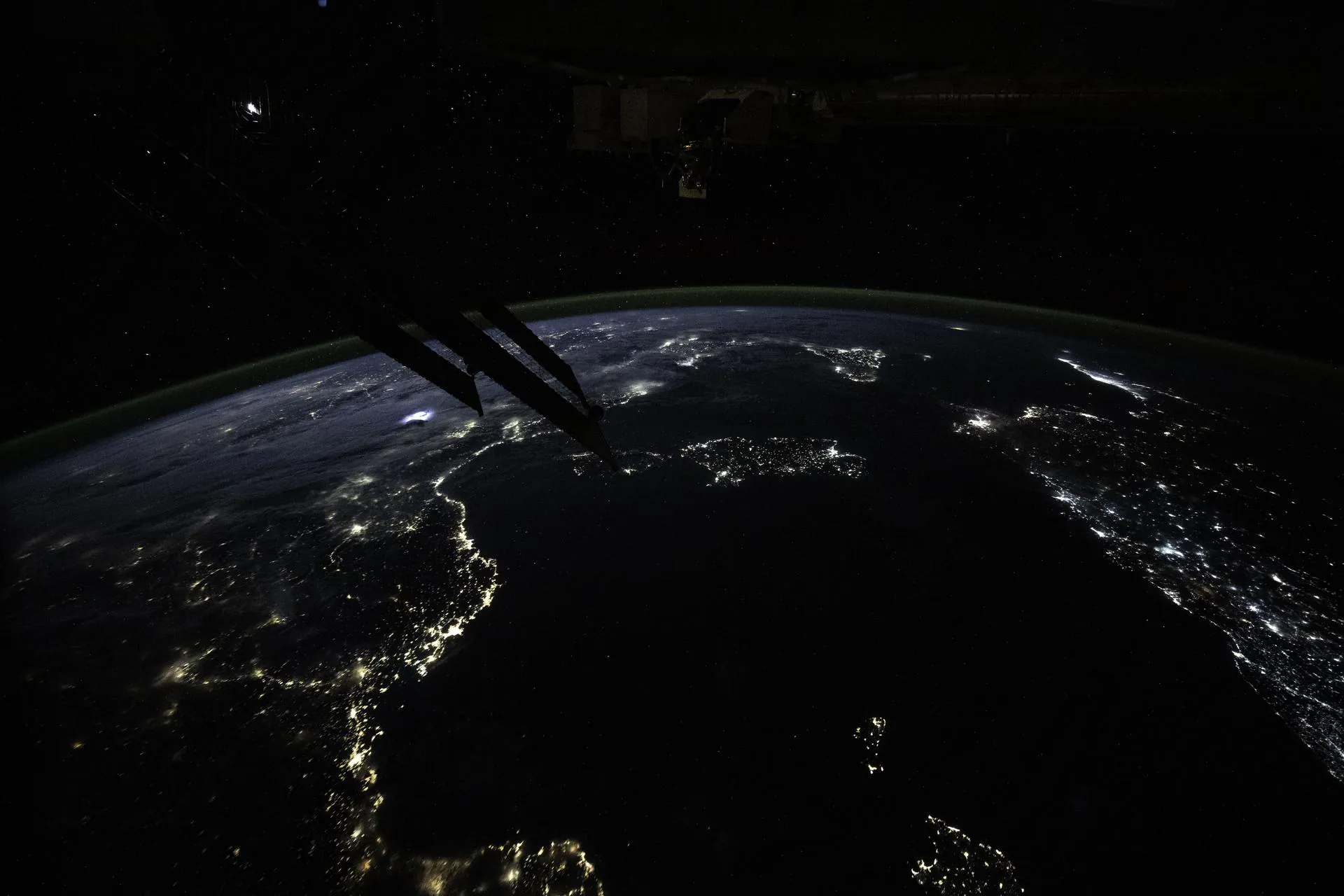
The writer Frank White gave it a name in 1987: the overview effect, the cognitive shift reported by astronauts who see the Earth whole, hanging in black, with no lines on it. I have now watched forty-one people experience it for the first time, and I can tell you that the name is doing a lot of work to cover something the people who feel it cannot describe.
It is not the view. It is the absence of the frame.
Every photograph of Earth has edges. A window has a frame. But somewhere in the second orbit, when a passenger stops taking pictures and simply looks, the frame goes away. The planet is no longer a thing they are looking at. It is the thing they are from, and it is small, and it is the only one.
People go quiet. The talkers go quietest. A venture investor who had not stopped negotiating since the elevator at the launch site put his camera down over the South Pacific and did not pick it up again for two days.
What they say on the recovery ship
They reach for the same few sentences. The borders really are invisible. The atmosphere really is that thin, a fingernail of blue you could scrape off with a thought. And the one almost everyone arrives at, in some form: I did not understand how much I loved it until I could see all of it at once.
We do not promise the overview effect. We cannot manufacture it and we will not sell it. But we have stopped being surprised when it arrives, and we have learned to give people the quiet they need to let it happen. The job of the crew, in those minutes, is to fly the ship and otherwise get out of the way.