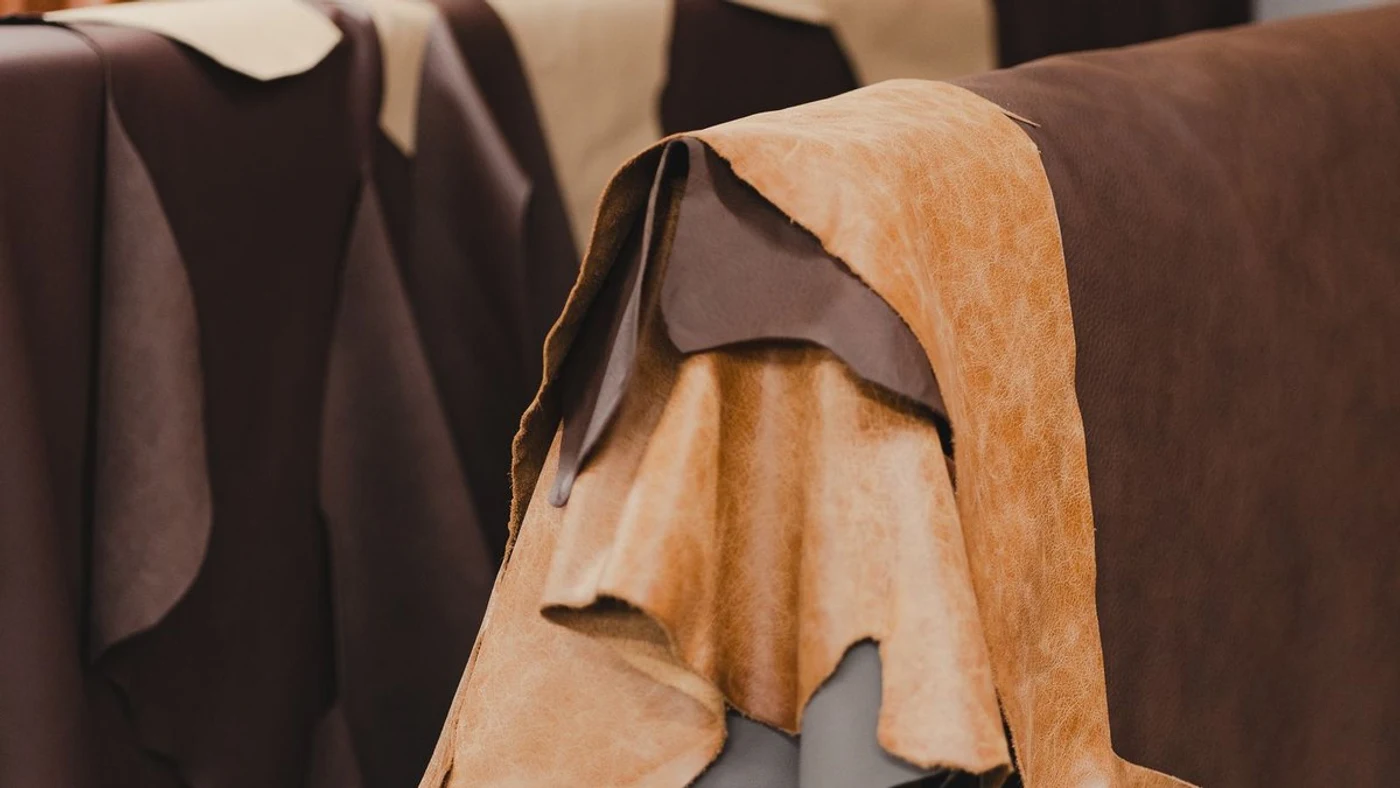
The difference between leather that lasts forty years and leather that lasts four is not the animal — it is the time.
The Problem with Speed
Most leather goods produced today are chrome-tanned. The process takes 24 hours. It produces consistent, soft leather at scale. It also produces leather that rarely survives a decade of daily use without cracking at the fold.
Bridle leather is different.
The tanning process takes eight to twelve weeks. The hides are submerged in pits of oak bark extract — a method unchanged since the seventeenth century. The result is leather that is stiff when you first hold it, and supple by the end of the first year. It does not wear out. It wears in.
The Northampton Connection
English bridle leather is made almost exclusively in Northamptonshire, in the same tanneries that supplied saddle leather to the British cavalry. The process is protected by geography and by stubbornness. The tanneries that exist today exist because the families who run them refused to modernise.
That is not nostalgia. It is a quality decision.
What Patina Actually Means
The word is used carelessly. In cheap goods, “patina” is a euphemism for deterioration. In bridle leather, it is something else — the leather records your grip, your climate, your habits. No two pieces age identically.
The folio you carry for fifteen years will not look like the folio your colleague carries. That specificity is not an accident. It is the entire point.
Why We Chose Northampton
We looked at tanneries in France, Italy, and Japan. All produce exceptional leather for their purposes. None produce bridle leather in the English tradition.
We use one tannery. We have used them since we started. We do not intend to change.