Opinion — December 8, 2024
The Case for Grain
Why film still matters in 2025. Not as nostalgia, not as aesthetic — but as a constraint that makes you a better photographer.
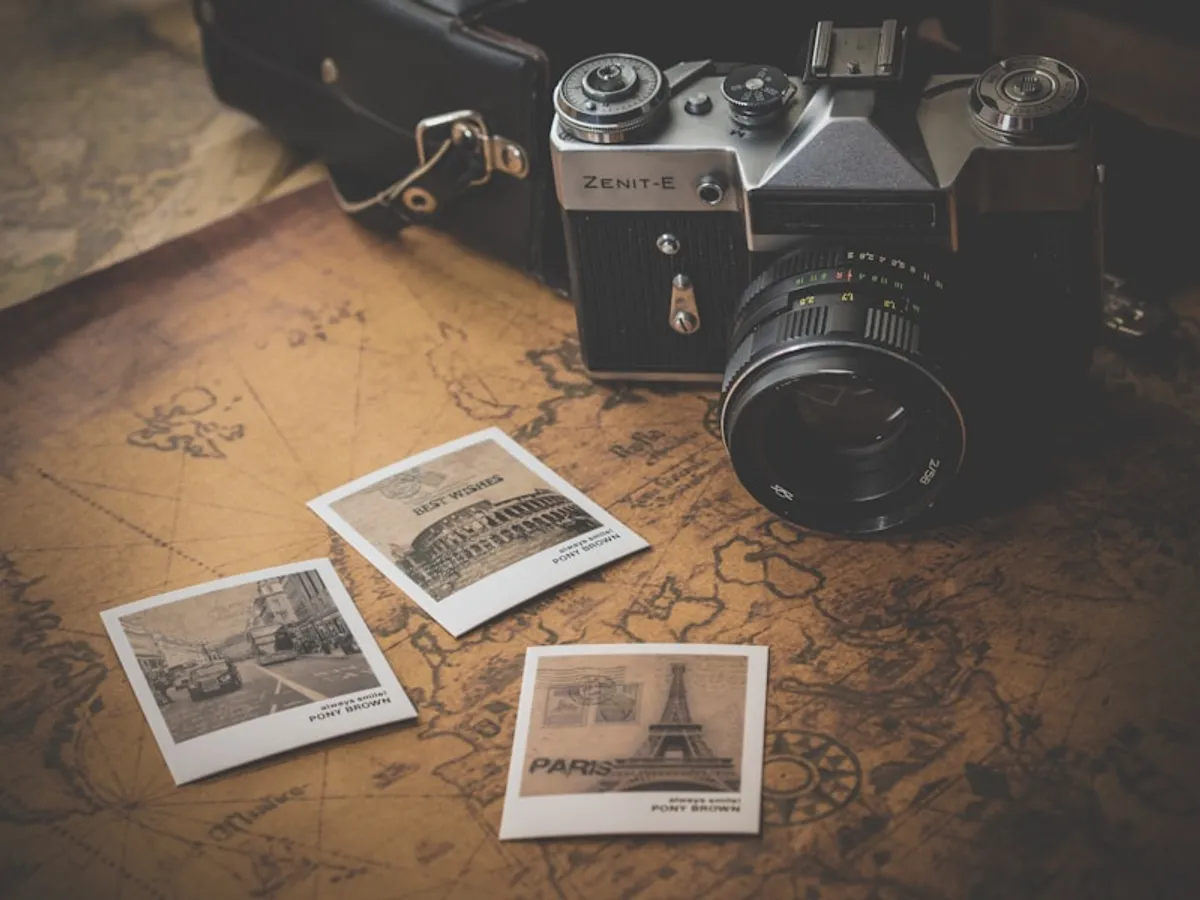
This is not a romantic argument. I am not here to tell you that film has soul, or that the analog process connects you to the history of the medium. Those things may be true, but they are not the point.
The point is this: constraints make better work.
What Film Forces You To Do
When you load a roll of 36 exposures and you know that each frame costs approximately two dollars by the time it is developed and scanned, you change your behavior. You look longer before you shoot. You wait for the moment instead of hoping to catch it in a burst of forty frames per second.
This is not a small difference. It is the difference between hunting and farming. Digital photography is farming — you plant a thousand seeds and select the best crop. Film photography is hunting — you track one animal and you take one shot.
Grain Is Information
The grain structure of film is not noise. It is information. Each grain of silver halide responded to light independently, creating a texture that is mathematically random but visually coherent. Digital noise is different — it is an artifact of electrical interference, patterned and repetitive.
When you look at a film photograph, the grain tells your eye that this was a physical process. Light entered a dark box and changed the chemistry of a surface. Something happened. This is not sentimentality — it is perception. Your brain processes film grain and digital noise differently, and the film grain reads as more trustworthy.
The Practical Case
We shoot approximately thirty percent of our commercial work on film. Not because clients ask for it — they rarely do — but because certain projects demand the discipline that film imposes. Portraits, especially. When you have thirty-six frames instead of three thousand, you learn to see the moment before it arrives.
The cost is real. Film stock, development, scanning — it adds up. But the resulting images have a quality that justifies the expense. Not the aesthetic quality, though that exists. The intentional quality. Each frame was chosen, not selected from a spray.